

More about concrete
Microcracks in concrete
Microcracks in concrete look harmless, but let in water and salts. Here is how they form and how crystalline waterproofing seals them.
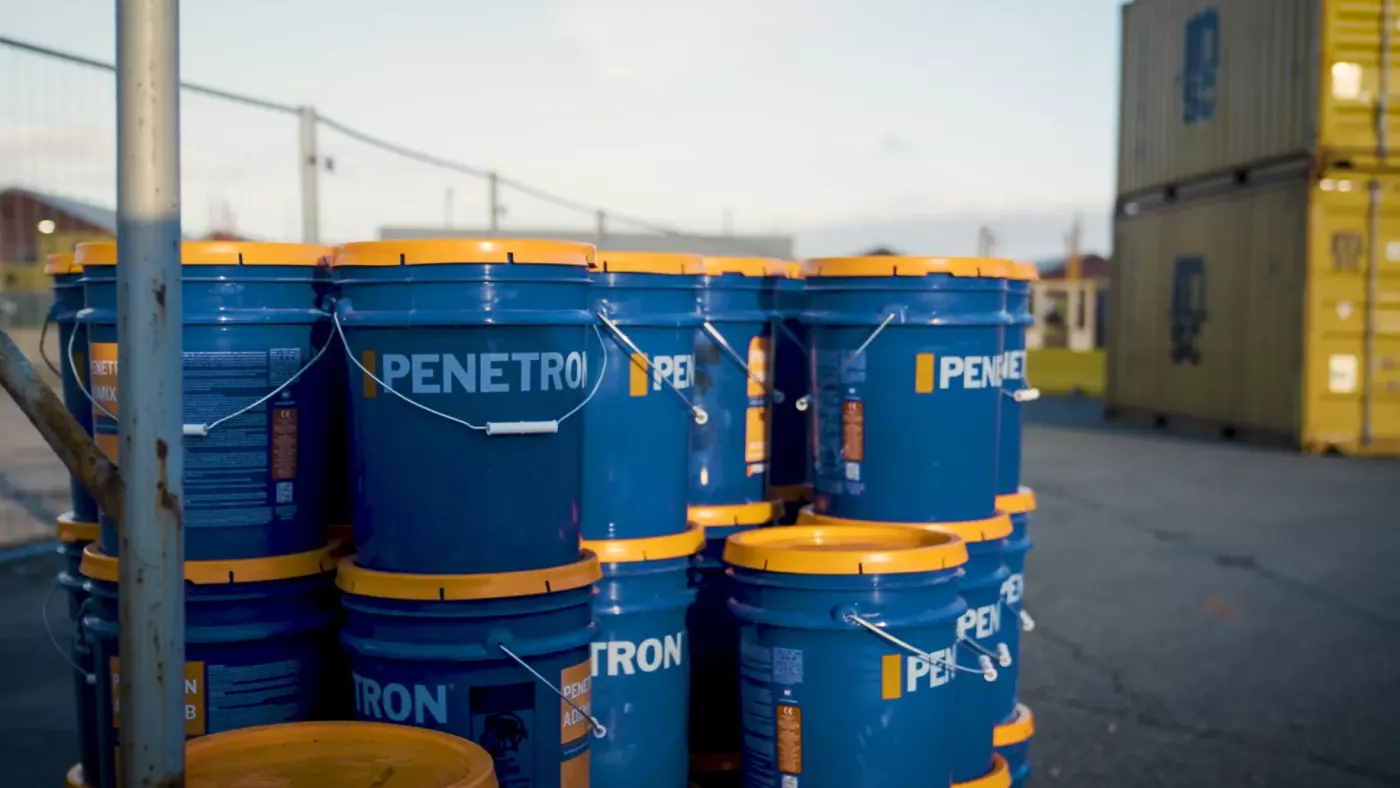
Microcracks look harmless, but over time they can lead to serious damage to concrete structures. Water, salts and chemicals penetrate the concrete, which can cause concrete deterioration and other structural problems.
Causes of microcracks
Microcracks can be caused by:
- temperature fluctuations and shrinkage stresses
- errors in the execution or the mix
- external loads or movement
- chemical reactions within the concrete
Prompt detection and the right treatment are crucial to prevent further damage.
Protection and crack repair
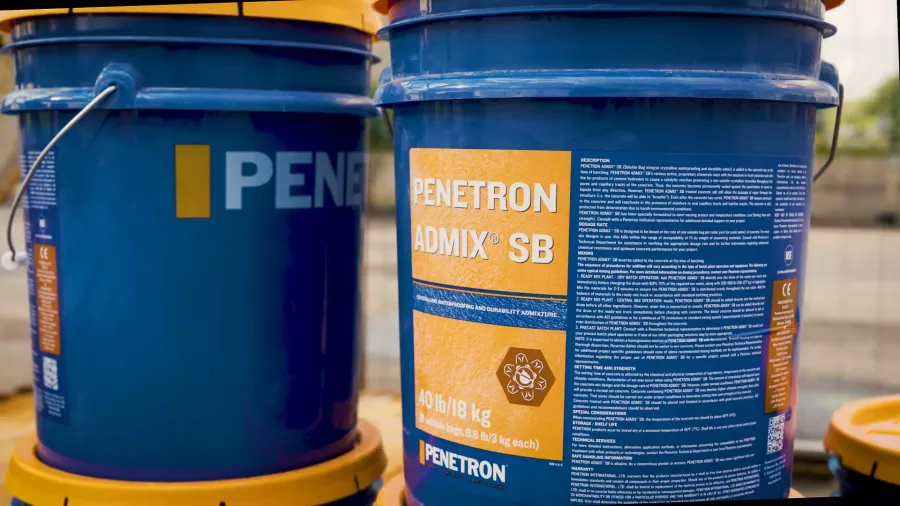
To repair and protect concrete, we work with our innovative Penetron technology. Our self-healing products penetrate deep into the concrete, fill hairline cracks up to 0.5 mm and provide long-lasting protection against water and chemicals.
In addition to repair, we also advise on prevention. By treating the concrete with Penetron products during construction or renovation, you significantly reduce the risk of cracking. The treatment is part of a durable concrete renovation and prevents further microcracking in the long term.
Concrete repairs in industrial applications
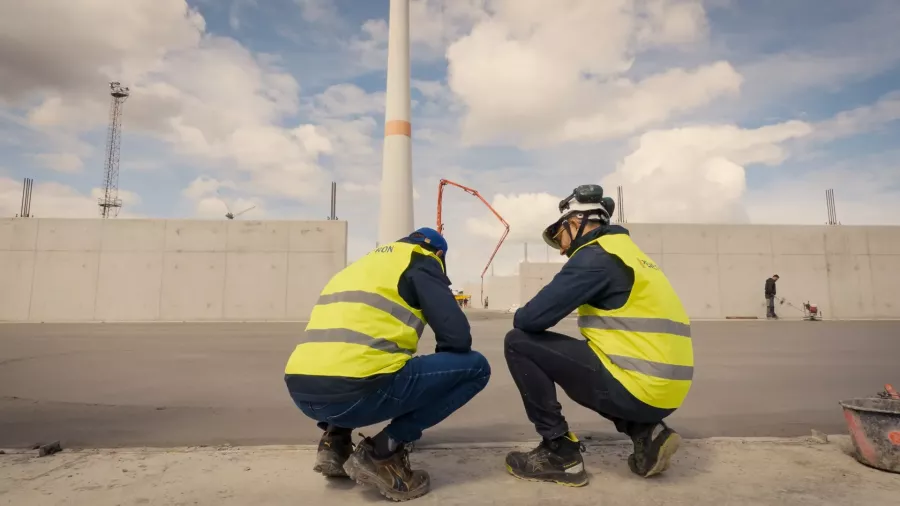
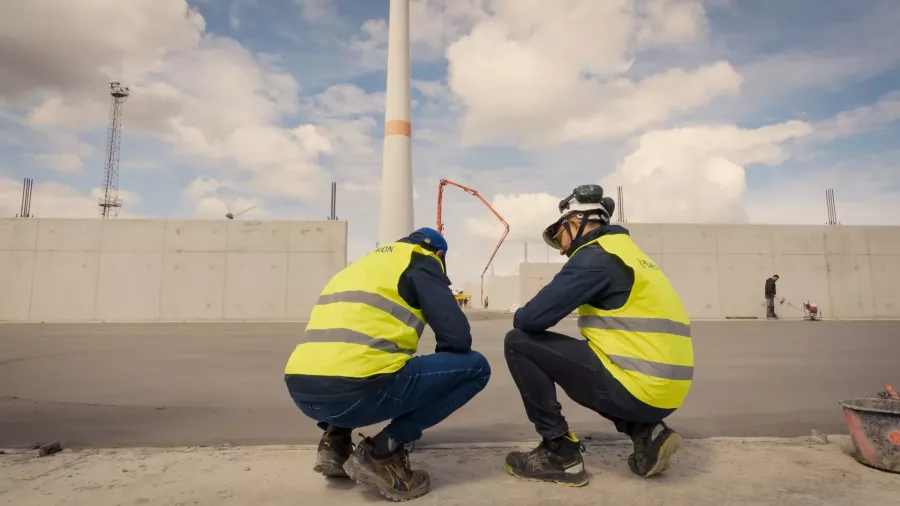
Our expertise lies mainly in industrial environments where concrete structures are put under severe strain. Think of storage facilities, production areas and loading quays. We provide reliable concrete protection and carry out concrete repairs with an eye for efficiency and durability.
Questions
What are microcracks in concrete and how do they form?
Microcracks are fine, often invisible cracks in concrete caused by shrinkage, thermal stresses or loading. They can appear during curing or over time.
What are the consequences of untreated microcracks?
They allow water, chemicals and frost to penetrate, which attacks the reinforcement and makes the concrete crumble. Without treatment, wear accelerates and larger structural problems develop.
How do you detect microcracks in concrete structures?
You can detect microcracks with visual inspection, optical aids or specialist measuring equipment such as ultrasonic or dye penetrant tests.
What solutions does self-healing concrete offer against microcracks?
Self-healing concrete fills small cracks automatically through active crystallisation, so the concrete remains durably protected against damage and ingress.
How can microcracks weaken concrete?
Water, salts, chemicals and frost penetrate the concrete through microcracks. This attacks the reinforcement and makes the concrete crumble. Without treatment, wear accelerates and larger structural problems develop.
Also read
More about concrete and waterproofing
 Concrete repairConcrete repair with Penetron: identify the cause first, then remove loose concrete and …
 Self-repairing concreteSelf-repairing concrete is ideal for waterproof structures (e.g. tunnels), infrastructure …
 Crystalline waterproofingHow crystalline waterproofing works: crystals seal pores and hairline cracks up to 0.5 …
Contact
Discover how Penetron can strengthen your next construction project
Tell us about your project. We will help you choose the right product.