

Application
Tunnels and infrastructure in waterproof concrete
A tunnel can lie below the groundwater table, while a bridge deck is exposed to the elements. Penetron Benelux contributed to the Beveren Tunnel, the Oosterweel Link and the Go4Zero tunnel in Obourg.
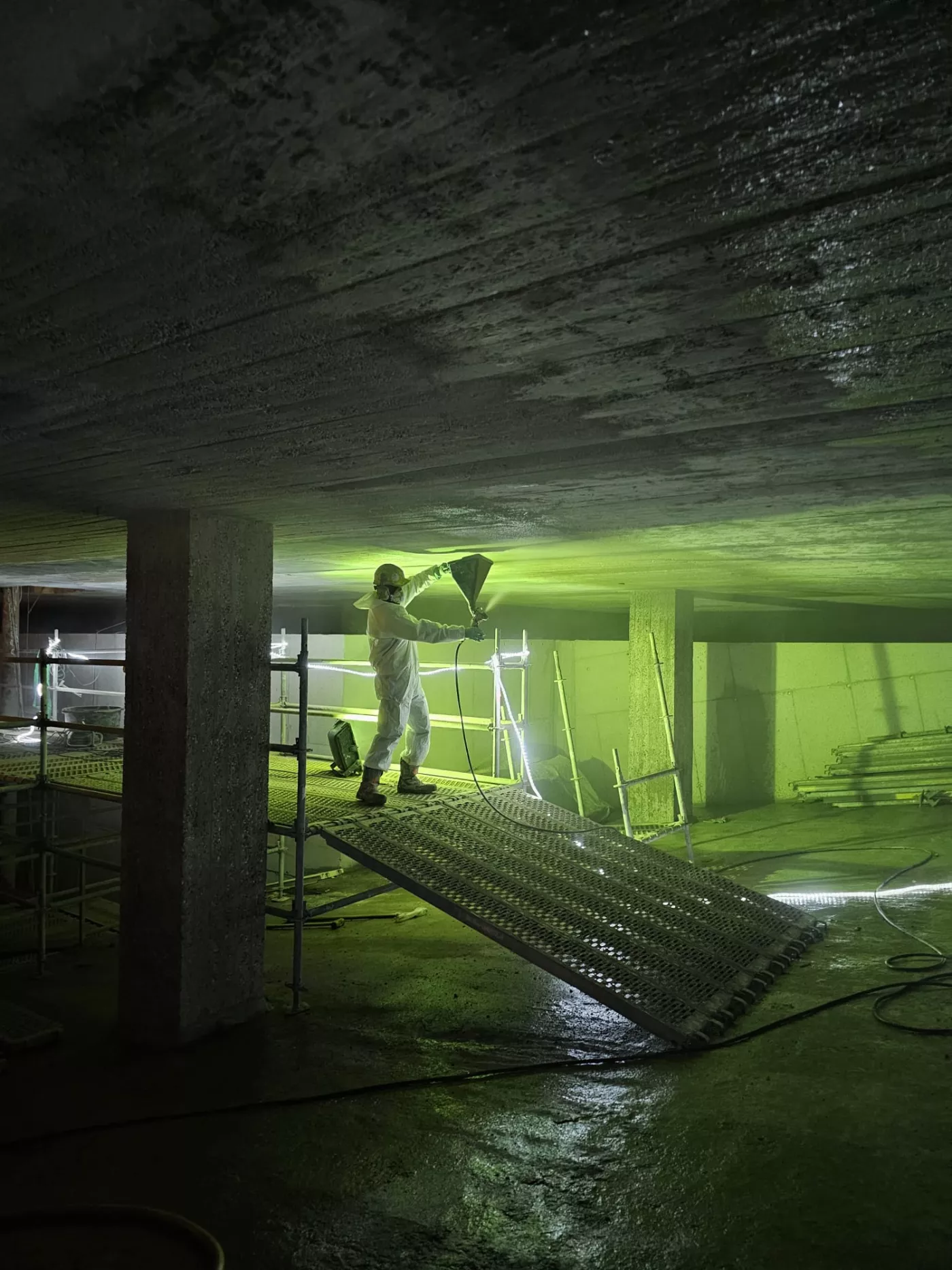
A tunnel sometimes lies partly below the groundwater table, and a bridge deck has to cope with weather, traffic loads and chemical exposure. In both cases the concrete has to last a long time without water getting in. Crystalline waterproofing and a penetrating sealer keep the water out of the concrete, without a layer that can come loose.
Waterproofing a new tunnel: Go4Zero in Obourg
In Obourg, Holcim is working on Go4Zero, a project for the cement production of the future, with net zero emissions by 2030 as its goal. One component is an underground concrete gallery that lies partly below the groundwater table, which puts considerable water pressure on the concrete. BESIX, Denys, Holcim and Penetron Benelux are working together on it.
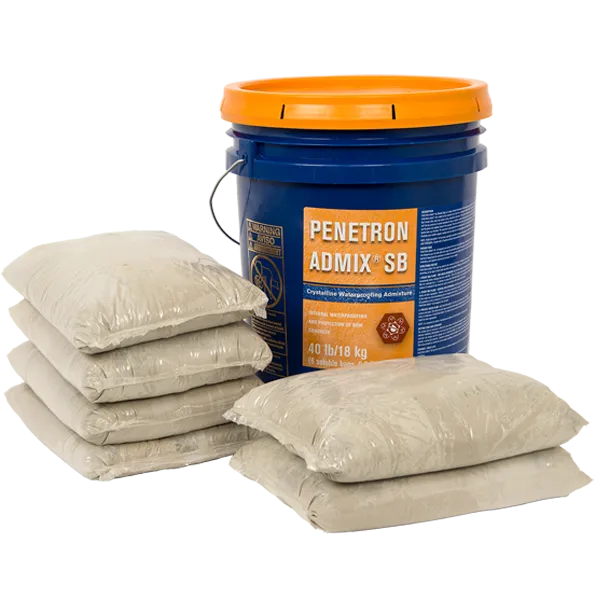
For the cast-in-situ tunnel, Penetron Admix SB was chosen, added at the ready-mix concrete plant. For each tunnel zone, the floor slab, the walls and the roof slab are cast in succession. Penebar SW, type A and B, goes into the construction joints. External membranes are not needed, which makes construction simpler. According to the project description, Admix SB can also be combined well with sustainable cement types.
Renovating an existing tunnel: the Beveren Tunnel
The renovation of the Beveren Tunnel covers the main tunnel and the technical areas, such as the pump pits and the service corridors. The pump pits are permanently exposed to water and aggressive conditions. There, approximately 2,600 m² of concrete was treated with the Penetron system:
- The concrete was mechanically cleaned and roughened.
- Where necessary it was repaired locally, including the wall-floor joints and structural damage.
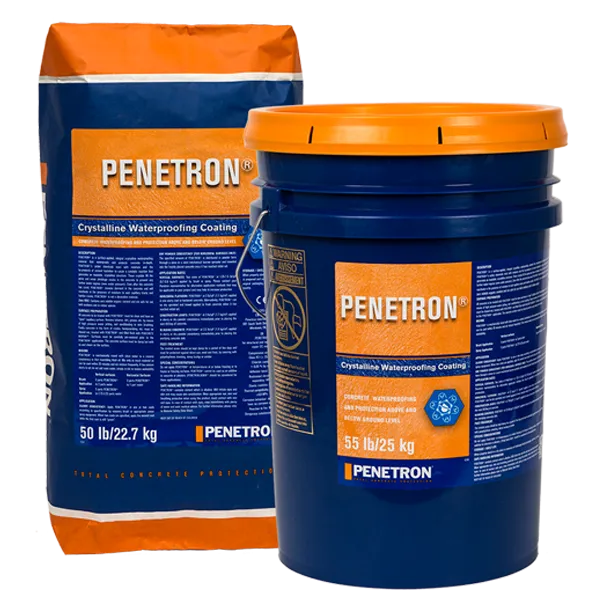
- Then came Penetron Slurry, in two coats on all vertical walls. The ceilings of the pump pits also received slurry.
The active ingredients penetrate the concrete through the capillary pores. According to the project description, Penetron was chosen because the system has proven itself in underground and water-sensitive applications, such as tunnels, shafts and technical areas. The work was carried out by Concrete-X, a partner with extensive experience in waterproofing and concrete renovation.
Bridge decks of the Oosterweel Link
For the Bypass Noord of the Oosterweel Link in Antwerp, 30 bridge decks are being built, each of approximately 450 m². During the site inspection, cracking was found on several decks. On behalf of Lantis, together with ROCO and with Masters in Service as the executing partner, Peneseal Pro was chosen, applied before the asphalt layer went on top. The working method on site:
- The bridge decks were selected in consultation with the client.
- Larger cracks were pre-treated where necessary.
- Peneseal Pro was sprayed on.
- An aftertreatment with water misting activated the effect.
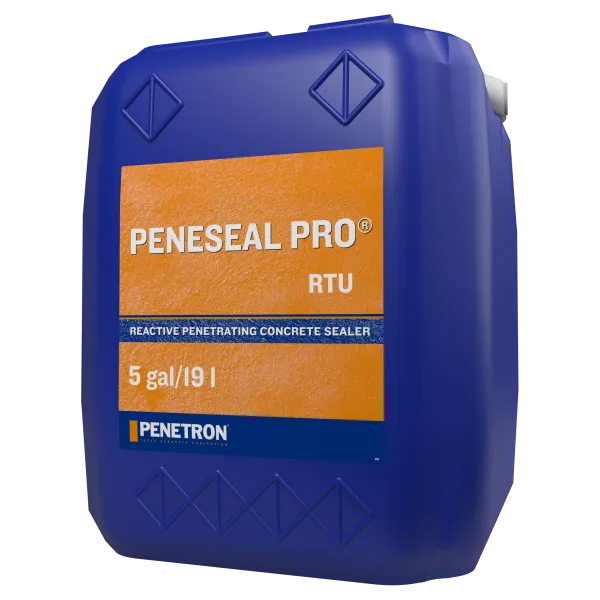
Peneseal Pro penetrates deep into the concrete and seals hairline cracks up to 0.5 mm. No visible layer is formed, so the bond of the asphalt remains unaffected. According to the project description, it is resistant to chlorides, sulphates and carbonation. This should help the decks last longer under weather, traffic loads and chemical exposure.

Bridges, canals, dams and roads
Outside tunnels, the same system works. The data sheet of Penetron Slurry lists bridges, dams and roads, canals and water-retaining structures among its applications. Penetron Admix mentions tunnels and metro systems. Penetron Inject mentions tunnels, metro systems, mines, canals and bridges, among others: with this injection grout, cracks and voids deep in the concrete are filled, including in damp or wet zones.
For repair, there are fast-setting mortars. Penetron Quick Patch is made for concrete roads, bridge decks and other horizontal surfaces that need to be back in use quickly. Penetron V/O Patch is for vertical surfaces and ceilings, such as in bridges and tunnels.
Underground or in the open air
The Peneseal Pro data sheet makes the choice itself. Peneseal Pro is intended for concrete in the open air, with large temperature differences. For underground projects, the same data sheet refers to Penetron. Peneseal Pro also does not hold back water pushing against the concrete from the other side, and it does not repair structural cracks. Expansion joints and construction joints receive their own joint treatment.
Questions
How do you waterproof a concrete tunnel?
In new builds, with Penetron Admix or Admix SB in the concrete and swelling waterstops in the construction joints, as in the Go4Zero tunnel in Obourg. After repair, an existing tunnel receives Penetron Slurry, as with the pump pits of the Beveren Tunnel.
How do you protect a bridge deck against chlorides?
With Peneseal Pro, which is sprayed onto the concrete and forms a gel below the surface. It protects against the ingress of water, chloride and sulphate, and no layer is formed that changes the bond of the asphalt.
Can the inside of a tunnel wall be treated?
Yes. Penetron Slurry can be applied to either the positive or the negative side of the concrete, including the inside of a wall where the water presses from outside.
How do you prevent cracking in a tunnel?
It cannot be avoided entirely. Concrete with Admix seals hairline cracks up to 0.5 mm again as soon as water reaches them. Larger cracks are repaired first or injected with Penetron Inject.
Which products protect tunnels against wear and corrosion?
For new tunnels, Penetron Admix or Admix SB goes into the concrete, while existing tunnels receive Penetron Slurry after repair. Peneseal Pro is intended for concrete exposed to open air, such as bridge decks, and resists chlorides, sulphates and carbonation.
What are the challenges of concrete in underground tunnels?
A tunnel sometimes lies partly below the groundwater level, which puts considerable water pressure on the concrete. Pump pits and other technical rooms are permanently exposed to water and aggressive conditions. The concrete still has to last a long time without water getting in.
How do you extend the service life of concrete tunnels?
By keeping water out of the concrete with crystalline waterproofing and a penetrating sealer, with no layer that can come loose. For new construction this is done with Penetron Admix or Admix SB, and for existing tunnels with Penetron Slurry. Larger cracks are repaired first or injected with Penetron Inject.

Contact
Discover how Penetron can strengthen your next construction project
Tell us about your project. We will help you choose the right product.